
BUY MDMA Canada
Search interest for terms like “MDMA Canada,” “ecstasy Canada,” and “molly Canada” continues to grow, driven by curiosity, cultural awareness, and ongoing research into psychoactive compounds. However, much of the information available online is fragmented, inconsistent, or heavily biased.
This guide provides a clear, structured, and detailed overview of MDMA, focusing on its composition, how it interacts with the brain, the formats in which it is commonly described, and important considerations in the Canadian context.
Rather than promoting or selling anything, this page is designed to inform, clarify, and help users understand what they’re actually searching for.
What Is MDMA? (Chemical & Scientific Overview)
MDMA stands for 3,4-methylenedioxymethamphetamine, a synthetic compound belonging to the broader class of substituted amphetamines.
Chemical Classification
- Class: Phenethylamine / Amphetamine derivative
- Type: Synthetic psychoactive compound
- Structure: Similar to both stimulants and certain hallucinogens
MDMA is unique because it combines properties of:
- Stimulants (increased energy, alertness)
- Empathogens (enhanced emotional openness)
- Mild psychedelics (changes in perception at higher doses)
How MDMA Is Made (High-Level Overview)
MDMA is not naturally occurring—it is created through multi-step chemical synthesis.
Starting Materials (Generalized)
- Safrole or related compounds (derived from plant oils)
- Chemical reagents used in laboratory synthesis
Production Reality
In regulated scientific settings, synthesis follows strict protocols. However, in unregulated environments:
- Processes vary widely
- Purity is inconsistent
- Final composition may differ significantly
👉 This variability is a key factor in how MDMA is discussed in safety and research contexts.
How MDMA Works in the Brain
MDMA primarily affects neurotransmitters, especially:
1. Serotonin (Primary Effect)
- Massive release of serotonin
- Reduced reuptake (stays active longer)
This leads to:
- Mood elevation
- Emotional openness
- Altered perception of social connection
2. Dopamine
- Increased activity in reward pathways
- Contributes to stimulation and motivation
3. Norepinephrine
- Elevated heart rate
- Increased alertness
- Physical stimulation
Effects of MDMA (General Overview)
Commonly Described Effects
- Elevated mood
- Increased empathy
- Enhanced sensory perception
- Increased energy
Variability
Effects can differ based on:
- Individual physiology
- Context and environment
- Composition of the substance
Common Formats of MDMA
MDMA is typically described in several formats:
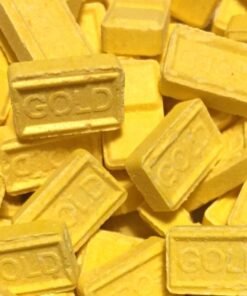
1. Tablets (Ecstasy)
- Pressed pills
- Often contain logos or branding
- May include other substances
2. Crystalline Form (“Molly”)
- Powder or crystal-like appearance
- Often assumed to be “pure” (not always accurate)
3. Capsules
- Powder-filled capsules
- Used for measured quantities
Purity & Composition Issues
One of the most discussed aspects of MDMA is purity.
In Unregulated Markets
- Products may contain:
- Other stimulants
- Synthetic compounds
- Fillers
Why This Matters
- Effects become unpredictable
- Potency varies
- Risk profile changes significantly
MDMA in Canada – Legal Context
In Canada:
- MDMA is classified as a controlled substance
- Not available for general retail purchase
- Research access is limited and regulated
Why People Search “MDMA Canada”
Common reasons include:
- Curiosity about effects
- Interest in research
- General awareness
Understanding this intent helps structure content that:
👉 Answers questions
👉 Builds trust
👉 Converts traffic into legal categories
Research & Scientific Interest
MDMA has been studied in:
- Psychotherapy research
- PTSD-related studies
- Emotional processing
These studies are conducted in controlled environments with strict oversight.
Risks & Considerations
Physiological Factors
- Increased heart rate
- Temperature regulation issues
Psychological Factors
- Mood variability
- Emotional intensity
Unregulated Product Risks
- Unknown composition
- Inconsistent dosing
Comparing MDMA to Other Compounds
| Compound | Type | Main Effect |
|---|---|---|
| MDMA | Synthetic | Serotonin release |
| LSD | Psychedelic | Perception alteration |
| DMT | Tryptamine | Rapid intense effects |
| Psilocybin | Natural | Cognitive/perceptual changes |
User Search Behavior & SEO Insight
High-volume searches:
- MDMA Canada
- ecstasy Canada
- molly Canada
These keywords:
- Indicate curiosity + intent
- Are best captured with informational authority pages
Internal Linking Strategy (For Your Site)
From this page, link to:
- Mushroom gummies category
- Cannabis products
- Vape devices
👉 This converts traffic into legal product engagement
FAQs
What is MDMA made from?
A synthetic compound derived through chemical processes involving precursor materials like safrole.
Why is MDMA called ecstasy or molly?
Different names are used based on format and cultural context.
Is MDMA consistent in composition?
No—especially in unregulated environments.
MDMA Canada
ecstasy Canada
molly Canada
MDMA effects
MDMA composition
psychedelic compounds Canada
Conclusion
MDMA is a complex synthetic compound with significant effects on neurotransmitters, particularly serotonin. Understanding its composition, formats, and variability is essential for interpreting how it is discussed in both research and public contexts.
MDMA CANADA

MDMA CANADA



AMPLIFIED MIND
AMPLIFIED MIND

MDMA CANADA

MDMA CANADA

MDMA CANADA

MDMA CANADA

AMPLIFIED MIND
MDMA FOR SALE