

What Are MDMA and 2C-B?
MDMA (3,4-methylenedioxymethamphetamine) and 2C-B (4-bromo-2,5-dimethoxyphenethylamine) are synthetic psychoactive compounds studied in neuroscience for their effects on mood, perception, and cognition.
- MDMA is commonly classified as an entactogen/empathogen
- 2C-B is considered a psychedelic phenethylamine
Both interact with serotonin systems but produce different profiles in controlled observations.
Mechanism of Action
MDMA
- Strong serotonin release via transporter reversal
- Moderate dopamine and norepinephrine activity
- Increased oxytocin linked to social/emotional processing
2C-B
- Acts primarily as a 5-HT2A receptor agonist
- Influences sensory perception and cognition
- Mild stimulant effects via adrenergic pathways
Key Differences in Research Context
| Feature | MDMA | 2C-B |
|---|---|---|
| Primary classification | Empathogen | Psychedelic |
| Main action | Serotonin release | Serotonin receptor activation |
| Research focus | PTSD, psychotherapy | Perception & cognition studies |
| Clinical development | Ongoing trials | Limited modern trials |
Research Applications
MDMA Studies
- Post-traumatic stress disorder (PTSD)
- Trauma-focused psychotherapy
- Emotional processing and fear response
2C-B Studies
- Sensory perception research
- Consciousness and cognition
- Structure-activity relationships in phenethylamines
Safety & Regulatory Status
Both MDMA and 2C-B are classified as controlled substances in many countries, including Canada.
- Not approved for general medical use
- Research use requires strict licensing and oversight
- Unregulated substances may vary in composition and carry health risks
Key Takeaways
- MDMA and 2C-B affect the brain differently despite both involving serotonin
- MDMA is more studied in clinical therapy settings
- 2C-B research remains limited and largely experimental
- Both substances are legally restricted and require regulated research environments
| Quantity | 6 -10mg tablets, 12 -10mg tablets |
|---|
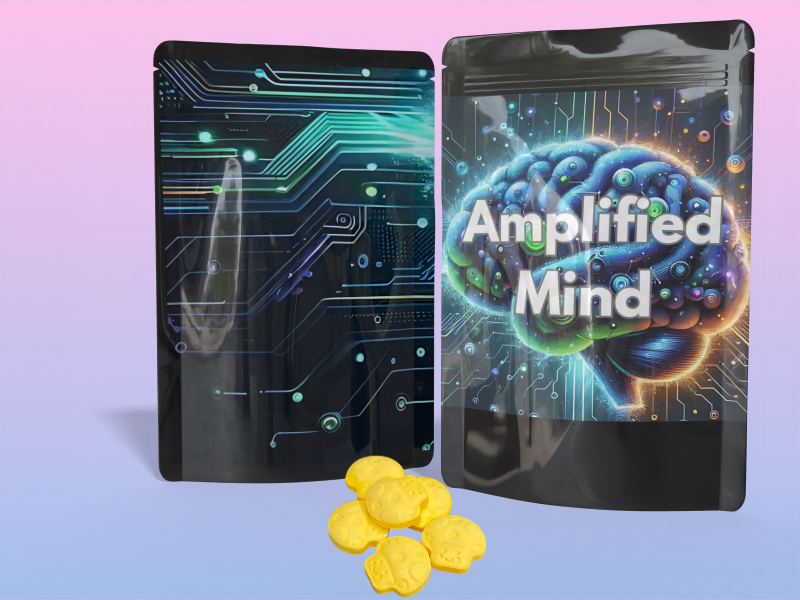
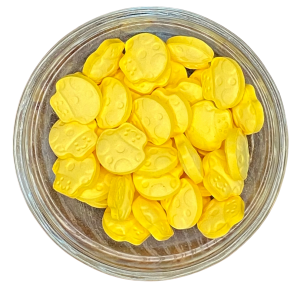
Be the first to review “Amplified Mind mdma 2CB 10mg Tablets”
Related products

MDMA CANADA
Price range: $100.00 through $300.00

MDMA CANADA
Price range: $110.00 through $320.00
Sale!
AMPLIFIED MIND
Original price was: $80.00.$55.00Current price is: $55.00.
Sale!

MDMA CANADA
Price range: $100.00 through $300.00

MDMA CANADA
Price range: $99.00 through $300.00

AMPLIFIED MIND
Price range: $100.00 through $400.00
Sale!

Original price was: $70.00.$55.00Current price is: $55.00.
AMPLIFIED MIND
Price range: $50.00 through $250.00
Reviews
There are no reviews yet.