
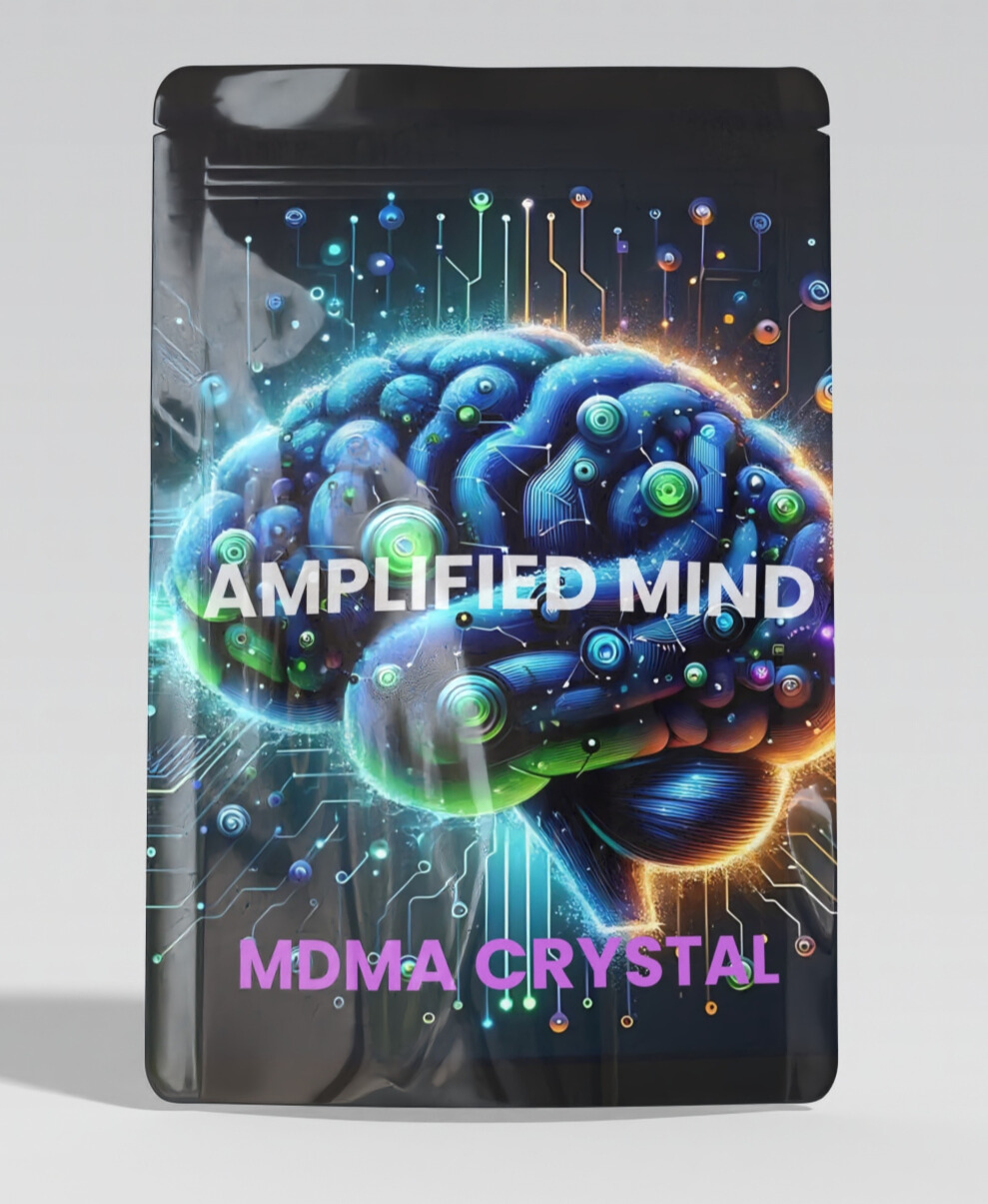

Amplified Mind MDMA Crystal for sale in canada | MDMA CANADA
What is MDMA (Methylenedioxymethamphetamine)?
Amplified mind MDMA crystal , commonly known as ecstasy or molly, is a synthetic psychoactive substance that alters mood, perception, and emotional response. It is classified as a stimulant and empathogen, meaning it increases energy levels while also enhancing emotional closeness and empathy.
Originally developed in the early 20th century, MDMA became widely known in recreational settings during the 1980s and 1990s. Today, it is also being studied in clinical environments for potential therapeutic applications, particularly in mental health treatment research.
MDMA is commonly searched online under terms such as “MDMA effects,” “what is MDMA,” and “MDMA Canada information,” reflecting both curiosity and concern about its impact.
H2: How MDMA Works in the Brain
MDMA primarily affects three key neurotransmitters in the brain:
- Serotonin (mood, happiness, emotional regulation)
- Dopamine (reward, motivation)
- Norepinephrine (energy, alertness)
H3: Serotonin Release
MDMA causes a large release of serotonin, which leads to:
- Elevated mood
- Emotional warmth
- Increased empathy
- Reduced fear response
H3: Dopamine and Energy Effects
Dopamine release contributes to:
- Increased energy
- Heightened reward sensation
- Increased stimulation
H3: After-Effects
After MDMA use, serotonin levels may temporarily drop, which can lead to:
- Fatigue
- Low mood
- Irritability
- Difficulty concentrating
H2: Effects of MDMA (Short-Term)
The effects of MDMA typically begin within 30–60 minutes and last 3–6 hours.
Emotional Effects:
- Euphoria
- Increased emotional sensitivity
- Feeling of closeness to others
Physical Effects:
- Increased heart rate
- Elevated body temperature
- Jaw clenching
- Sweating
Cognitive Effects:
- Altered perception of time
- Increased sociability
- Reduced anxiety in some users
H2: Risks and Side Effects of MDMA
Despite its effects, MDMA carries significant risks, especially when used without medical supervision.
Short-Term Risks:
- Dehydration or ovg
- Increased heart strain
- Anxiety or panic attacks
- Nausea
- Confusion
Long-Term Risks:
- Memory impairment (heavy or repeated use)
- Mood instability
- Sleep disturbances
- Potential serotonin system disruption
Adulteration Risk:
One of the biggest dangers associated with street MDMA is contamination with other substances, which can increase health risks significantly.
H2: MDMA and Mental Health Research
MDMA is currently being studied in controlled clinical environments for its potential therapeutic use.
Areas of research include:
- Post-Traumatic Stress Disorder (PTSD)
- Anxiety disorders
- Depression in treatment-resistant cases
Early-stage clinical trials suggest that MDMA-assisted psychotherapy may help some patients process traumatic memories more effectively under professional supervision.
However, it is important to note that this research is still ongoing and MDMA is not widely approved as a standard medical treatment.
amplified mind mdma for sale
H2: MDMA Street Names and Online Search Trends
MDMA is often referred to by several names in online search behavior:
- Ecstasy
- Molly
- MDMA crystals
- MDMA powder (informational term)
Search engines commonly see queries like:
- “what is MDMA”
- “MDMA effects on brain”
- “MDMA risks and side effects”
- “MDMA Canada information”
These reflect growing public interest in both recreational and medical contexts.
H2: MDMA Harm and Safety Information
Understanding MDMA risks is important for public health awareness.
Key safety concerns include:
- Unknown purity of substances
- Overheating during physical activity
- Mixing with alcohol or other drugs
- Pre-existing heart conditions
Emergency warning signs may include:
- Extremely high body temperature
- Confusion or disorientation
- Rapid heartbeat
- Loss of consciousness
If these occur, emergency medical attention is required immediately.
H2: Why amplified mind MDMA is Studied Despite Risks
MDMA is scientifically interesting because of its strong effect on emotional processing. Researchers believe it may temporarily reduce fear responses while increasing emotional openness, which is why it is being studied in psychotherapy contexts.
However, these studies are conducted in controlled medical environments, not in unsupervised or recreational settings.
H2: Frequently Asked Questions (FAQ)
What is MDMA?
MDMA is a synthetic psychoactive substance that affects mood, energy, and emotional perception.
Is MDMA legal in Canada?
No, MDMA is illegal in Canada outside of approved medical research settings.
What are the effects of MDMA?
Effects include euphoria, increased empathy, energy boost, and altered sensory perception.
Is MDMA safe?
MDMA carries significant health risks, especially when used without medical supervision.
Why is MDMA being studied?
It is being researched for potential use in treating PTSD and certain mental health conditions.
H2: Conclusion
MDMA (methylenedioxymethamphetamine) is a powerful psychoactive substance with complex effects on the brain and body. While it is widely known for its recreational use, it is also the subject of serious scientific research into mental health treatments.
However, it remains a controlled and illegal substance in Canada outside of approved clinical studies. Understanding its effects, risks, and legal status is essential for making informed and safe decisions.
Be the first to review “Amplified Mind MDMA Crystal | Buy MDMA In Canada”
Related products

MDMA CANADA

MDMA CANADA

BUY LSD IN CANDA

MDMA CANADA

MDMA CANADA

AMPLIFIED MIND

AMPLIFIED MIND

Best MDMA In USA
Reviews
There are no reviews yet.