


Buy 8 Ball Of Cocaine – Eight Ball Of Cocaine.
Buy 8 Ball Of Cocaine a term “8 ball” is a widely recognized slang expression within the of illicit drug culture, specifically referring to a quantity of cocaine.The phrase “8 ball” does not refer to a specific brand or type of cocaine, but rather to the mass of the substance. Primarily, it’s a street term denoting a quantity.
Defining the Quantity: The Gram and the Ounce
Understanding the “8 ball” necessitates an understanding of the units of measurement used in the context of drug trafficking. The “8” in this slang term directly corresponds to an eighth of an ounce. Cocaine, like many other illicit substances, is often sold by weight. A standard unit of measurement relevant is the gram (g). An ounce, in the avoirdupois system of measurement (commonly used in the United States), is equivalent to approximately 28.35 grams. An “eighth” of an ounce, therefore, equates to roughly 3.5 grams of cocaine.
The context in which this quantity is discussed is almost exclusively illicit. Legally, the substance is tightly controlled and regulated, and any possession or distribution outside of approved medical or research environments is strictly prohibited. The “8 ball,” therefore, represents a quantity obtained and utilized outside the framework of the legal system.
Appearance and Composition
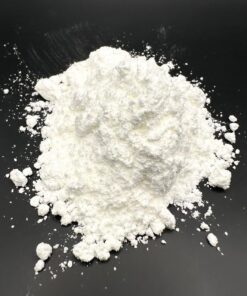
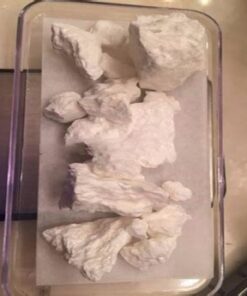
Cocaine, in its processed form, typically appears as a fine, white, crystalline powder. The physical characteristics can vary depending on the purity and the presence of any cutting agents or adulterants mixed with the drug. The quality can also affect its appearance. Common adulterants include substances like mannitol, which can be used to increase the perceived volume, or other substances that can mimic the effects of cocaine, such as local anesthetics.
The chemical composition of cocaine is cocaine hydrochloride, and it’s extracted from the leaves of the coca plant. The purity of an “8 ball” of cocaine is something that is difficult to determine without appropriate laboratory analysis. The concentration can fluctuate substantially, with street-level cocaine often being diluted or contaminated with other substances to increase profits. This inconsistency in purity is a significant risk factor as the user is unable to accurately assess the dosage taken.
Methods of Use
Cocaine can be administered through several methods, each with a different impact on the onset and duration of its effects. The method of administration is a crucial factor in understanding its usage patterns and the associated risks.
Snorting: This involves inhaling the cocaine powder into the nasal passages. This is the most common method of use. The drug is absorbed through the mucous membranes of the nasal passages directly into the bloodstream. It delivers a rapid onset of effects, typically within minutes, and lasts for a relatively shorter duration, often around 15–30 minutes, or a full half hour.
Smoking: Cocaine can be smoked in the form of crack cocaine, a variation that is processed to a smokeable form. The effects of smoking are almost immediate, offering a more intense experience, but it also increases the risk of addiction as well as the immediate danger of an overdose.
Injection: Cocaine can be dissolved in water and injected intravenously. This method delivers the drug directly into the bloodstream, producing a rapid and intense rush. This method poses additional risks, like the transmission of infectious diseases from shared needles.
Oral Consumption: Cocaine is not typically consumed orally as its bioavailability tends to be poor, and its effects are slow and often less noticeable.
Effects and Consequences
The effects of cocaine use are multifaceted impacting both the central nervous system and the cardiovascular system.
Short-Term Effects: These can include euphoria, increased energy, elevated heart rate, increased blood pressure, dilated pupils, and feelings of confidence and alertness. Other effects include decreased appetite and the suppression of fatigue. The user may experience a heightened sense of excitement and reduced inhibitions.
Long-Term Effects: Prolonged cocaine use can lead to addiction. It can also cause significant damage to the cardiovascular system, including heart attack, stroke, and irregular heart rhythms. It is also linked to respiratory problems, including lung damage. Other issues that result from cocaine usage tend to be significant cognitive impairments, including difficulties with memory, attention, and decision-making. Psychological consequences are numerous, and could include symptoms of paranoia, anxiety, depression, and psychosis.
Risks Associated with “8 Ball” Quantities
Possessing and using an “8 ball” of cocaine carries a range of serious risks, extending beyond the direct pharmacological effects of the drug.
Overdose: The risk of overdose is always present as the substance’s purity is unknown unless tested. Factors such as the user’s tolerance, physical condition, and the presence of other substances (such as alcohol or other drugs) can significantly influence the likelihood of an overdose. An overdose can lead to severe health complications, including cardiovascular events, stroke, respiratory failure, and death.
Legal Ramifications: The purchase, possession, distribution, or use of an “8 ball” of cocaine is illegal in virtually all jurisdictions. The penalties can range from fines and probation to imprisonment, depending on the specific laws of the jurisdiction and the extent of the involvement (e.g., possession, sale, trafficking). There can be also effects on employment opportunities, educational pursuits, and other areas of life.
Health Complications: The health risks related to cocaine use are significant. These involve potential for cardiovascular diseases (heart attack, stroke), respiratory problems (lung damage), and infectious diseases if the drug is injected. The consequences of any of these may be chronic or life-threatening.
Adulteration and Contamination: Being an illegal substance sold on the black market, cocaine is often mixed with other substances. Some of these can be toxic or have their own negative effects, compounding the health risks. These substances may be used to increase the volume of the product, enhance its effects, or conceal the presence of impurities.
Dependence and Addiction: Cocaine has a high potential for creating dependence and addiction. Regular use can lead to a compulsive craving for the drug, loss of control over its use, and continued use despite having very negative consequences. Addiction is a chronic disease that requires professional treatment and support.
Interactions with Other Substances: Combining cocaine with other drugs, especially alcohol or other stimulants, exacerbates the risks and can amplify the adverse effects. Some combinations can be life-threatening.
The Path to Recovery
Recognizing the dangers and the need for help is the first step toward recovery from cocaine use or addiction. Professional assistance is critical, and there are many avenues for support and treatment.
Medical Detoxification: This is the first step for those who are physically dependent on cocaine. It involves medically supervised withdrawal to manage withdrawal symptoms, which can vary from uncomfortable to dangerous.
Therapy and Counseling: Psychotherapy is an essential component of the recovery process. Cognitive-behavioral therapy (CBT) and other therapeutic approaches can address the underlying issues that may have contributed to drug use, help develop coping mechanisms, and prevent relapse.
Support Groups: Programs like Narcotics Anonymous (NA) provide a support network of people who understand what the individual is going through. Participating in a recovery community is crucial for long-term recovery.
Medication: There is no medication to treat cocaine addiction itself. However, medications may be used to address conditions like depression, anxiety, or other mental health issues that may co-occur with addiction.
Lifestyle Changes: A comprehensive recovery plan includes making positive changes to lifestyle, behavior, and social connections. This may mean changing environments, reducing old relationships that do not support recovery, setting goals, and developing habits to reduce stress and improve overall health and the likelihood of sustained recovery.



Reviews
There are no reviews yet.